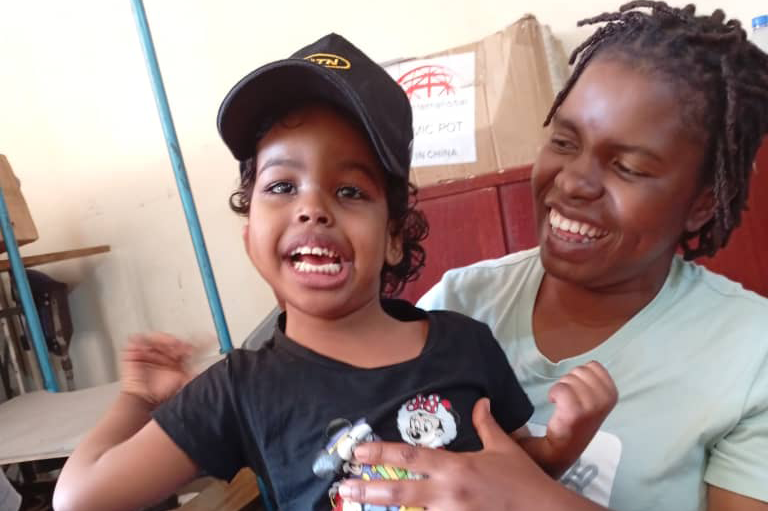
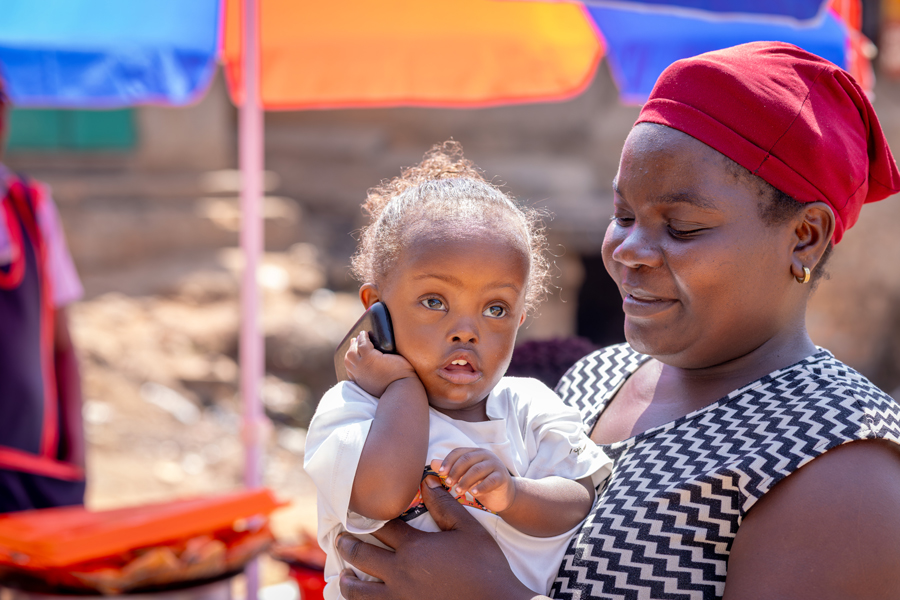
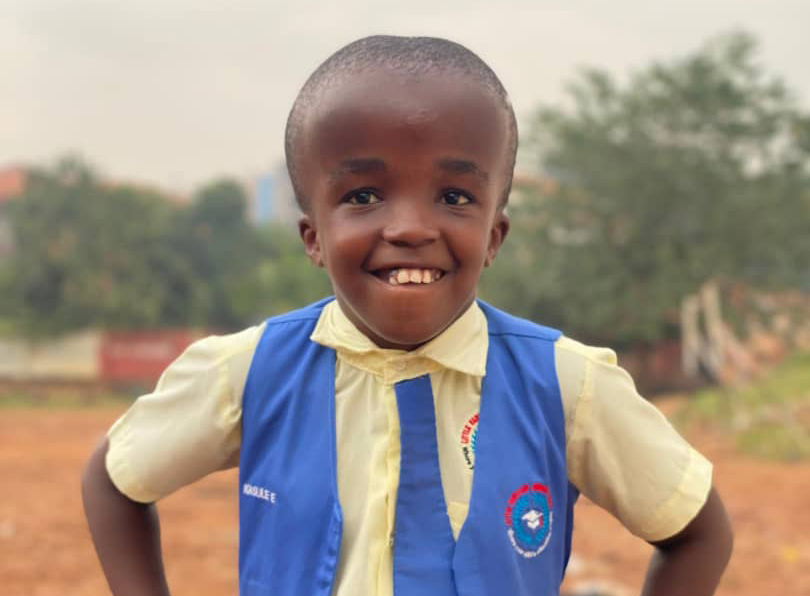
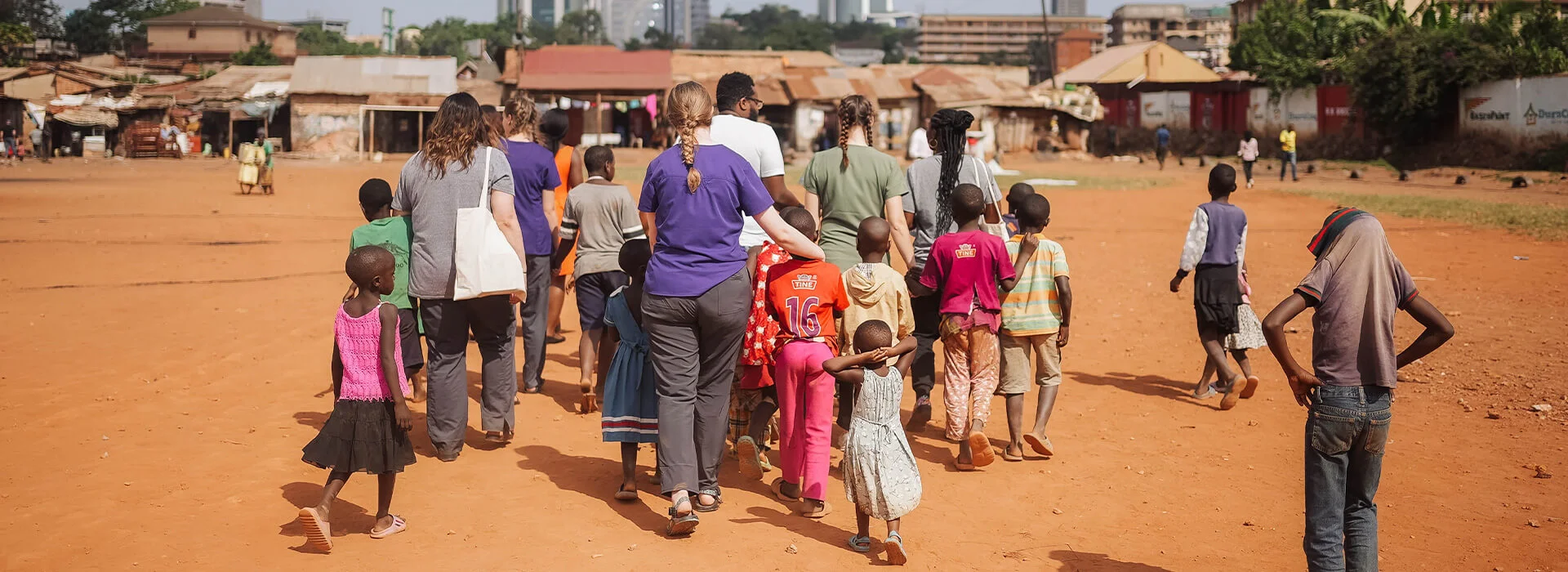
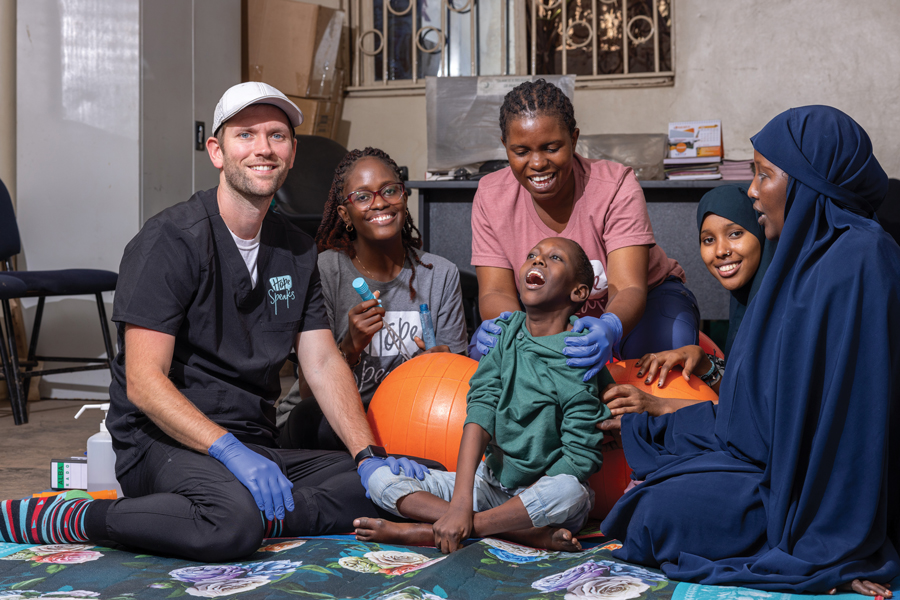
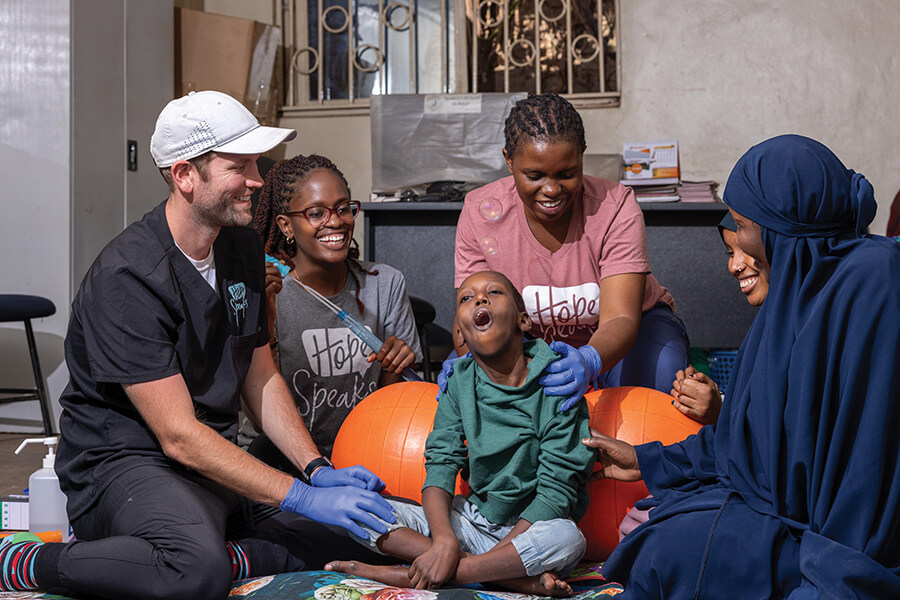
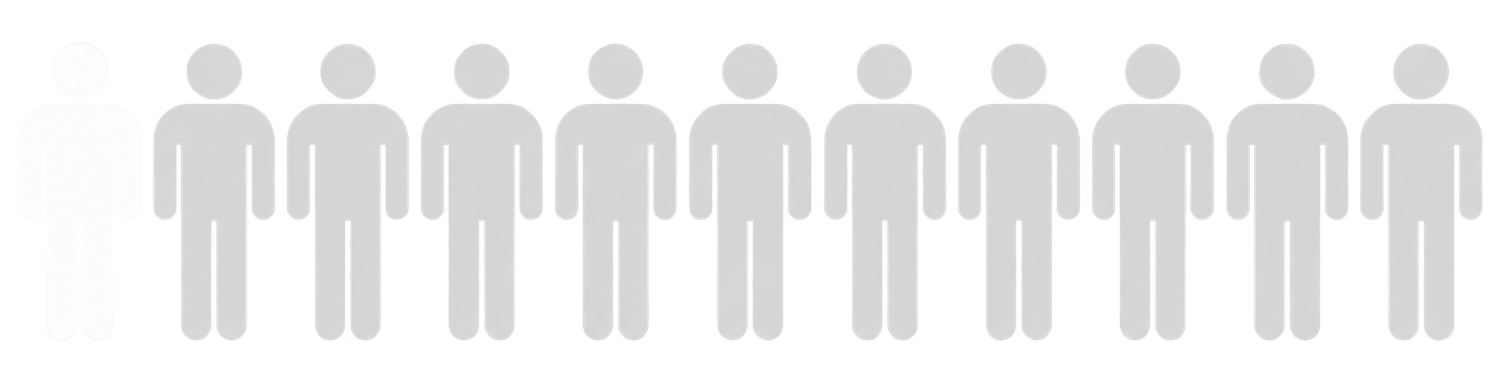
In Uganda's 2024 national census, nearly 1.72 million children between the ages of 2 and 17 were identified as living with a disability. That's roughly 1 in every 11 children in the country.
The numbers get harder once you look past prevalence and into daily life. More than half of school-age children with disabilities in Uganda are out of school entirely. For kids with communication-related disabilities, the exclusion rate is even higher. Fewer than 1 in 10 young children with a disability have a birth certificate, which means many never even enter the systems meant to support them.
And we believe the real number is higher still.
Census data depends on someone being home, being willing to disclose, and being counted. In communities where disability still carries deep stigma, families sometimes keep a child with a disability out of sight rather than risk judgment from neighbors or even relatives. Invisible disabilities like speech delays, learning differences, or mild developmental conditions often go unrecognized by a brief household survey built to catch the most visible cases. The children most in need of help are often the ones least likely to show up in a count.